
Shop Smarter With Reusables
Why Reusables Beat Single-Use at the Grocery
Footprint math made simple
Health and safety myths, debunked
Convenience without compromise
Building Your Kit: Containers, Bags, and Lids That Last
Bulk Bins, Deli Counters, and Bakeries: How to Ask and Win Smiles

Scripts for staff interactions
Tare weight etiquette and efficiency
Handling refusals gracefully
Packaging Swaps Aisle by Aisle
Produce and herbs without plastic
Use lightweight mesh bags for apples, citrus, and onions; a silicone pouch for delicate greens and berries; and a damp cloth wrap for fresh herbs that wilt quickly. Skip produce stickers when allowed, weigh once for multiples, and note quantities in your phone. If misting stations wet your bags, shake them off before checkout. Store greens with a tea towel to absorb moisture at home. Flavor stays brighter, the crisper smells fresher, and your trash can breathes a sigh of relief.
Dairy and beverages on repeat
Look for dairies offering refundable glass bottles and return crates, or choose large-format yogurt packed in recyclable tubs you reuse for bulk grains. For beverages, pick concentrates or syrups you dilute at home, or bring growlers to participating shops. Keep a bottle-return schedule on your calendar so deposits come back promptly. These swaps reduce weighty plastic, streamline your fridge, and create a pleasant rhythm where empty bottles flow back out as easily as full ones came in.
Pantry staples with refill routines
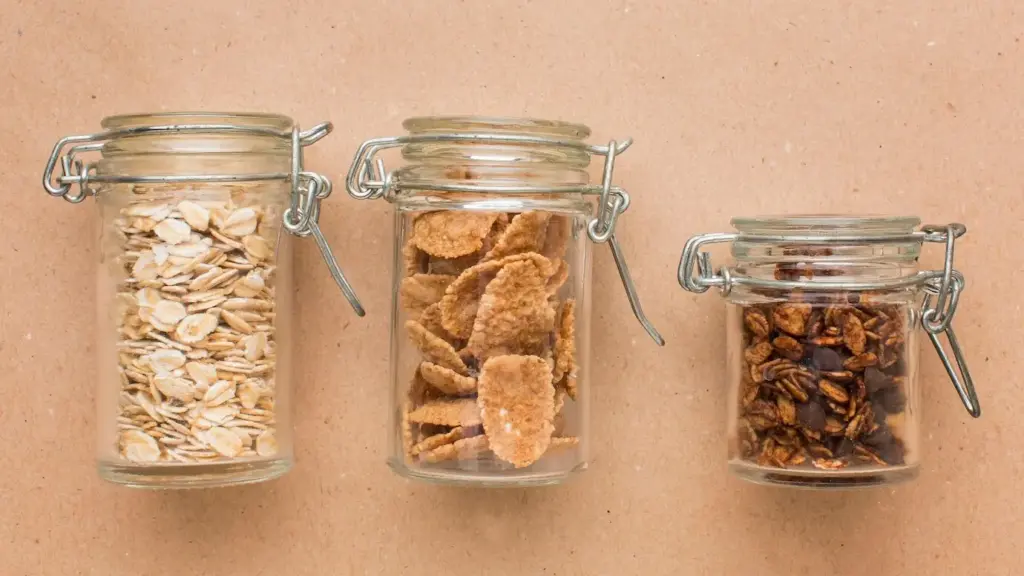
Grains, legumes, nuts, and spices are perfect for jars with wide mouths and tight seals. Keep an index of common PLUs on your phone for fast labeling. Refill the oldest jar first, rotate stock, and note low items before you run out. Consider monthly refill days to stabilize your budget. Spices bought in small refill quantities stay more aromatic, and staples stop accumulating dusty duplicates. The pantry becomes a living system rather than a chaotic, crinkly archive.
Cleaning, Storage, and a Sanitary Routine

Costs, Savings, and the Payback Timeline
All Rights Reserved.