Scoop Smarter, Waste Less

Join us as we dive into practical, joyful bulk-bin shopping strategies for a zero-waste pantry, turning scoops and jars into everyday climate wins. We will explore planning, containers, store etiquette, flavor, and budgeting, so your refills feel effortless, affordable, and deliciously sustainable. Expect real-world insights, friendly anecdotes, and small actions that add up fast. Together, we will build confidence, reduce trash, and keep cupboards vibrant with exactly what you love and actually use.

Planning Before You Scoop

Thoughtful preparation transforms bulk-bin errands into smooth, waste-cutting routines. Begin by scanning shelves at home, building meals around what you already have, and mapping refills by urgency, weight, and perishability. Pack clean containers, note tare weights, and set flexible quantities so availability never derails your plan. Prioritize staples that empty fastest, and leave room for a curiosity scoop that could become a new household favorite without creating clutter or waste.

Mastering the Store Experience

Tare Like a Pro

Weigh empty containers before filling, and write the tare on lids with a wax pencil or removable tape. Snap a photo of each tare on your phone as backup. At checkout, confirm the cashier subtracts the tare correctly. Standardize your kit with common sizes, like half-liter jars for snacks and larger ones for grains. This simple ritual ensures accuracy, prevents awkward reweighing, and builds trust with staff, proving that low-waste habits can be efficient and friendly.

Decoding Labels and Rotation

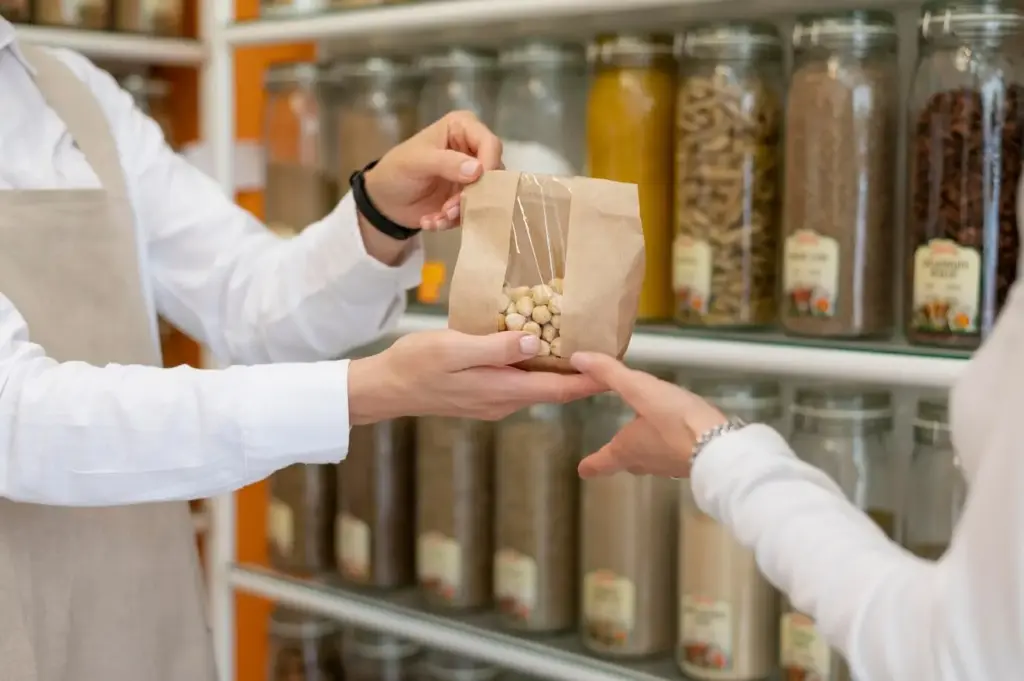
Look for bin numbers, roast dates, grind instructions, and ingredient lists, especially for blends or flavored items. Fresher bins usually have brisk turnover; if contents look dusty, clumpy, or stale, ask when they were last refilled. Compare similar items by aroma and color rather than price alone. For spices, pinch and rub a tiny sample if allowed to assess essential oil strength. Understanding rotation patterns helps you choose vibrant stock and skip bins that need refreshment.

Etiquette That Builds Community

Move intentionally, cap scoops between pours, and keep bags or jars steady inside the bin opening to avoid spills. If you do spill, pause and clean it up or alert staff. Keep conversations friendly and lines moving, and share a quick tip when someone looks uncertain. A welcoming atmosphere invites more people to participate, increasing turnover and freshness for everyone. Courtesy creates a shared culture where sustainable habits feel normal, inviting, and genuinely rewarding for the whole neighborhood.

Containers, Materials, and Safety

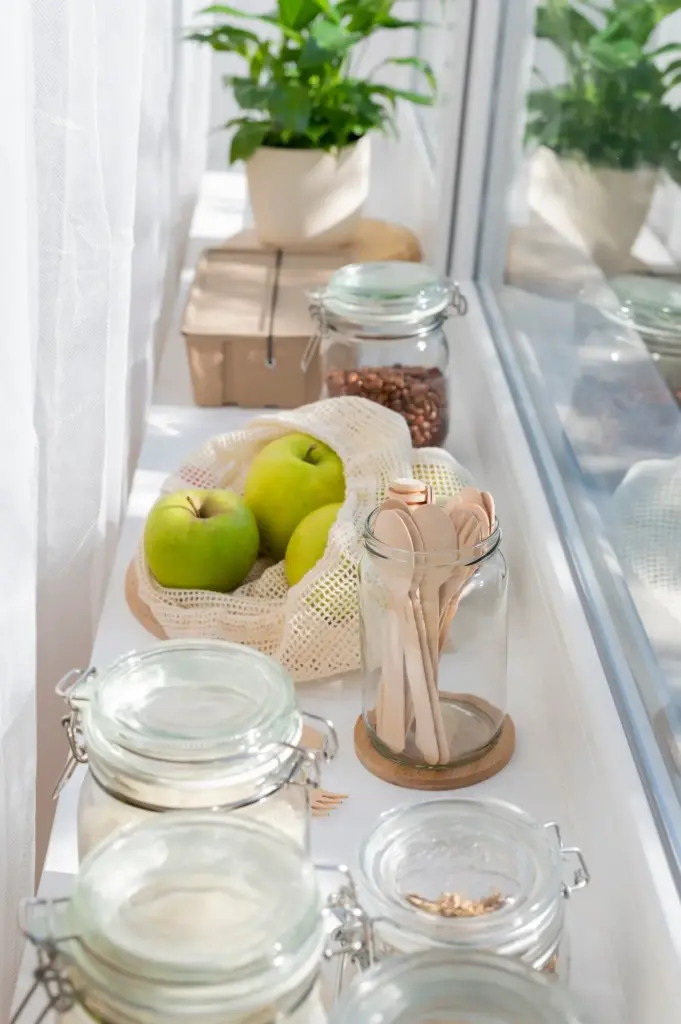
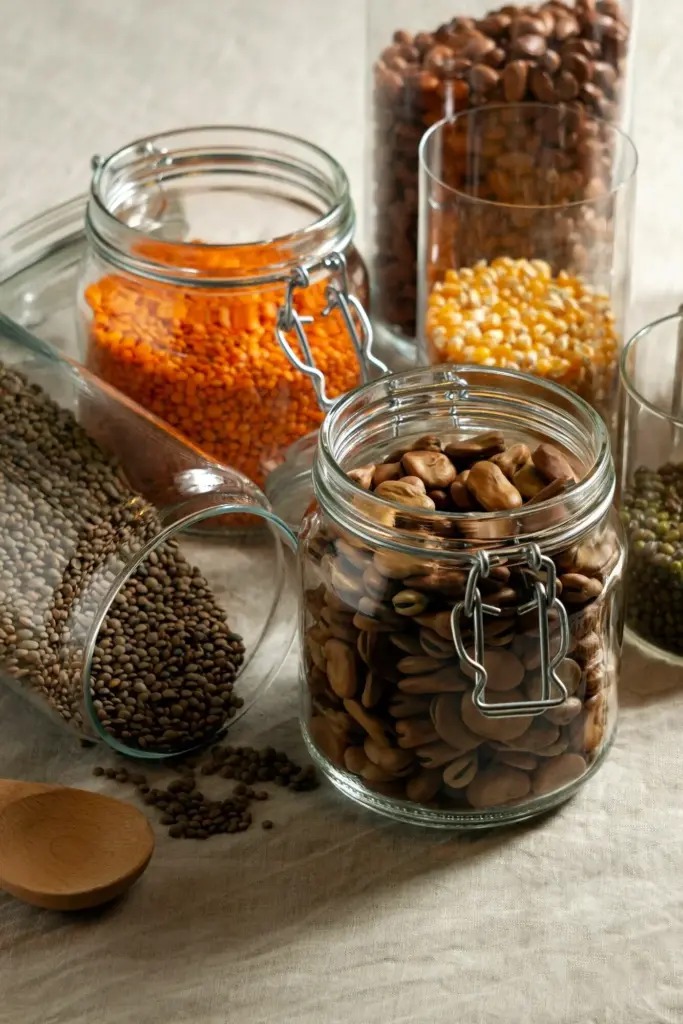
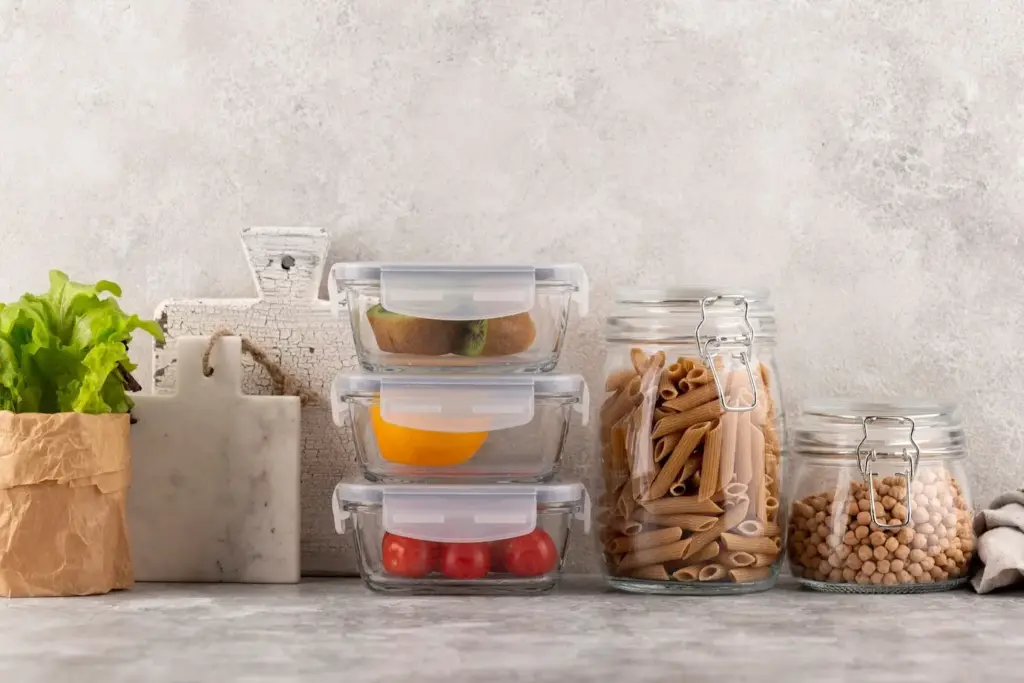
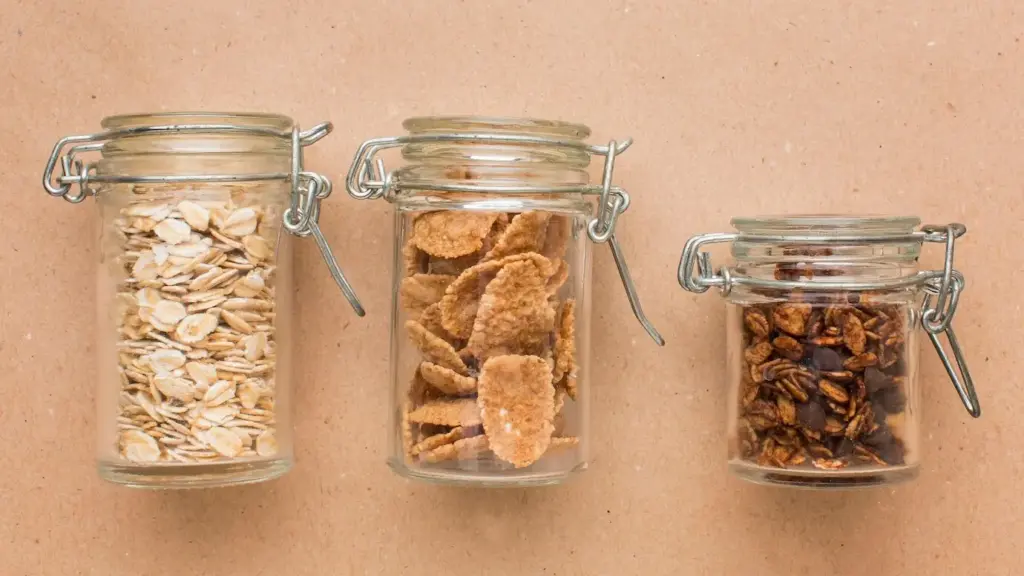
Different foods deserve different vessels. Glass jars offer clarity and neutrality for spices, grains, and beans, while metal is excellent for tea but can react with acidic ingredients. Lightweight, food-grade plastic helps when carrying heavier refills home on foot or bike. Cloth bags shine for flours and oats, as long as they are clean and tightly woven. Match materials to contents, label clearly, and maintain rigorous cleanliness to protect flavor, prevent cross-contact, and extend shelf life safely.


Budget, Nutrition, and Quality

Bulk refills often cost less because you skip packaging, but smart comparison makes savings consistent. Track unit prices across stores, prioritize freshness for sensitive items like nuts and coffee, and buy only what you will use before flavor fades. Taste matters as much as price; small trials prevent expensive disappointments. Thoughtful choices balance organic and conventional options, letting you splurge where quality shines and economize where it hardly affects taste, ensuring a pantry that nourishes without overspending.

Storage, Rotation, and Flavor

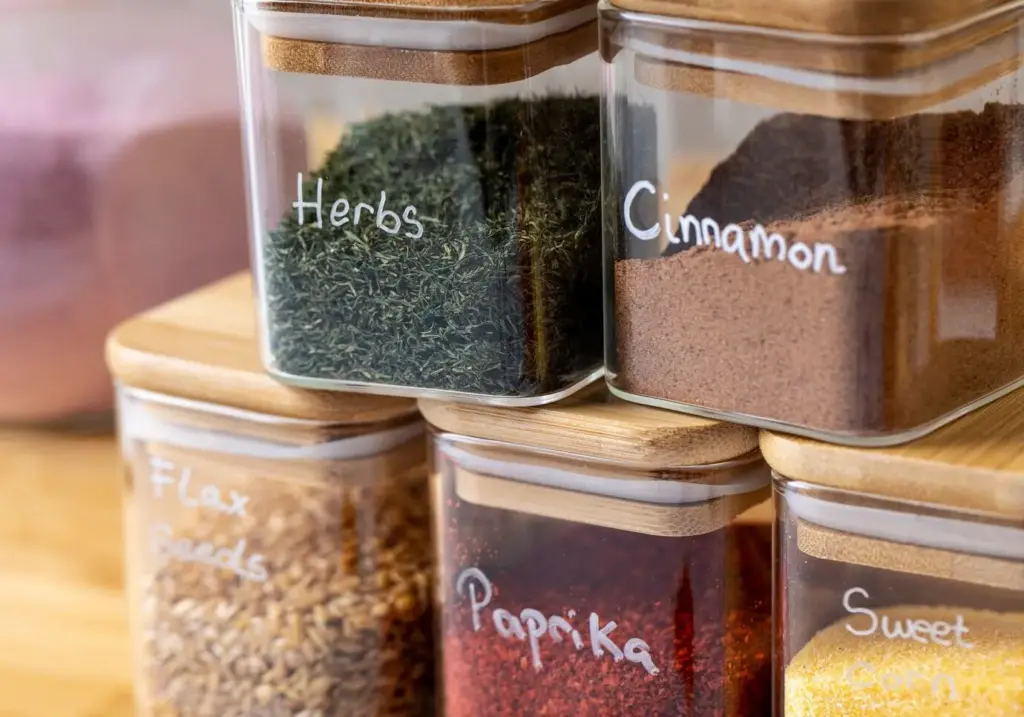
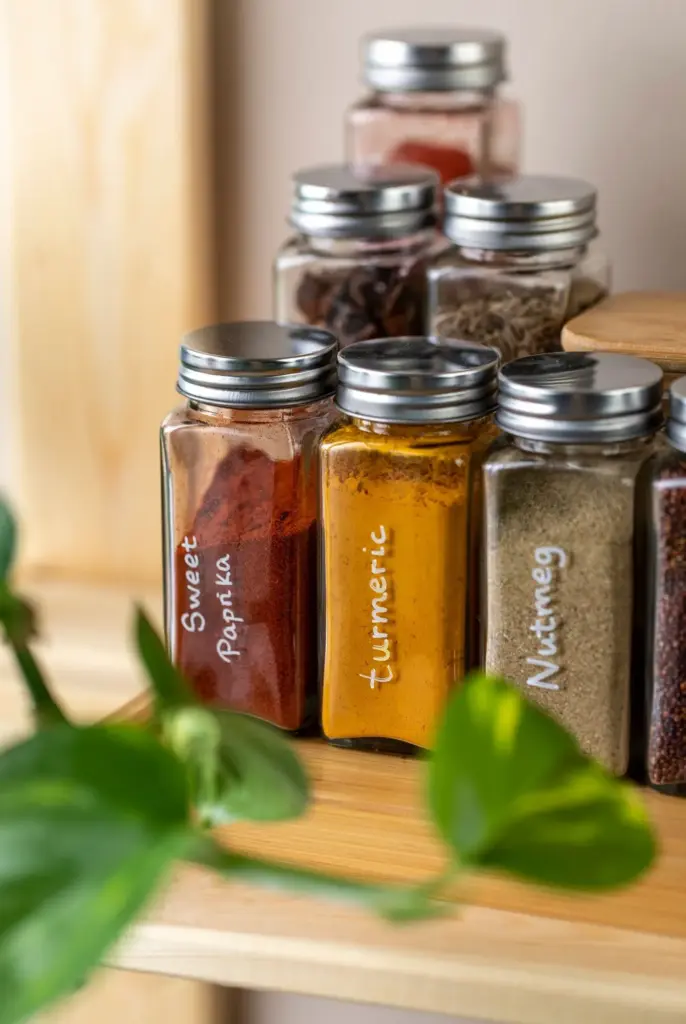
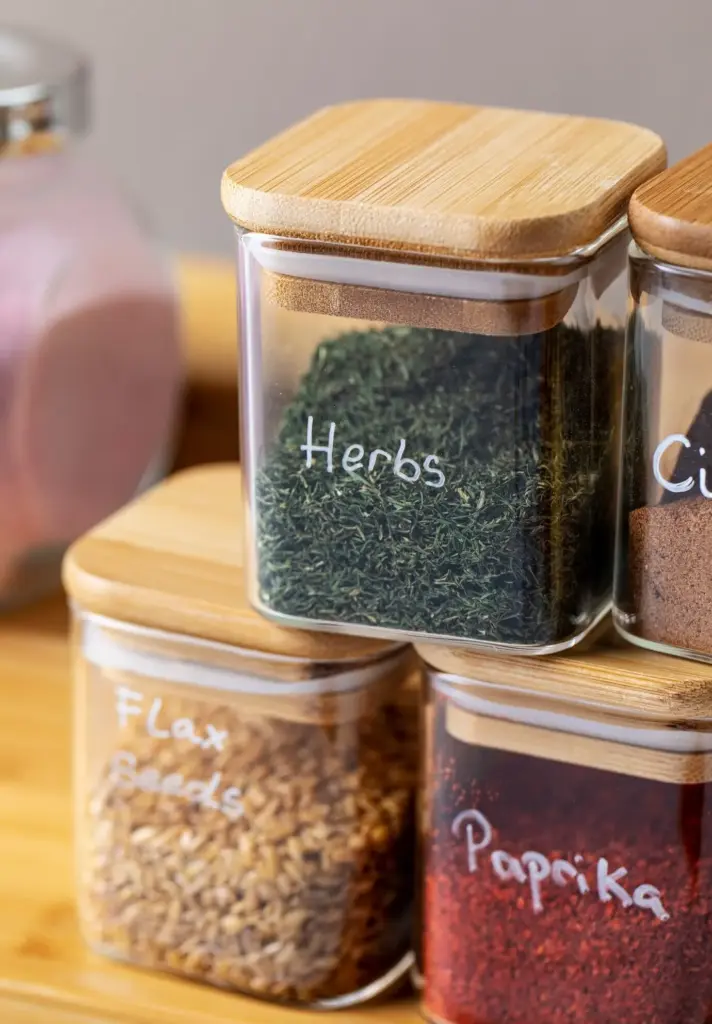
Preserve the peak quality of your refills with airtight containers, clear labels, and gentle light control. Store oils, nuts, and seeds in cool, dark places or freeze portions to protect fragile fats. Practice first in, first out rotation so older stock moves forward. Keep measuring scoops inside jars only if perfectly dry. Small, predictable routines prevent staleness, support quick cooking, and make your shelves inviting, where every jar signals its purpose and timeline at a glance.

Community, Culture, and Momentum

Sustainable refilling thrives when it feels social and celebratory. Share recipes, swap jars, and trade tips about the freshest bins and best roast days. Encourage kids to scoop, label, and calculate tare, turning math into stewardship. Ask your store for new items or local producers worth featuring. Momentum builds when stories circulate: the small wins, funny mishaps, and reliable routines that make low-waste living feel human, welcoming, and achievable for neighbors starting from any point.
Vanofivepaxuvi
Privacy Overview

This website uses cookies so that we can provide you with the best user experience possible. Cookie information is stored in your browser and performs functions such as recognising you when you return to our website and helping our team to understand which sections of the website you find most interesting and useful.