Spend Less, Waste Nothing: Grocery Wins That Stick

Today we dive into budget-friendly zero-waste grocery shopping plans, turning small, practical choices into measurable savings and lighter bins. Expect pantry audits, bulk-bin math, container tricks, and joyful cooking routines that stretch ingredients, respect the planet, and nourish your week without stressing your wallet.

Start with a Smart Pantry Audit

Before any store trip, list every grain, legume, spice, and leftover languishing in your cabinets, fridge, and freezer. Pair items that cook in similar times, note urgent use-by dates, and highlight versatile bases. This simple check curbs impulse buys, reveals hidden meals, and sets you up for packaging-free refills you actually need, aligned with a realistic spending plan.

Shop Savvy: Bulk, Bins, and Best Deals

Master Unit Price Math

Look beneath eye-catching labels to the small shelf tag showing cost per ounce, gram, or pound. That number, not the front sticker, decides the winner. Keep a quick list of typical best prices, and let data steer choices rather than marketing.

Bulk Without Buying Excess

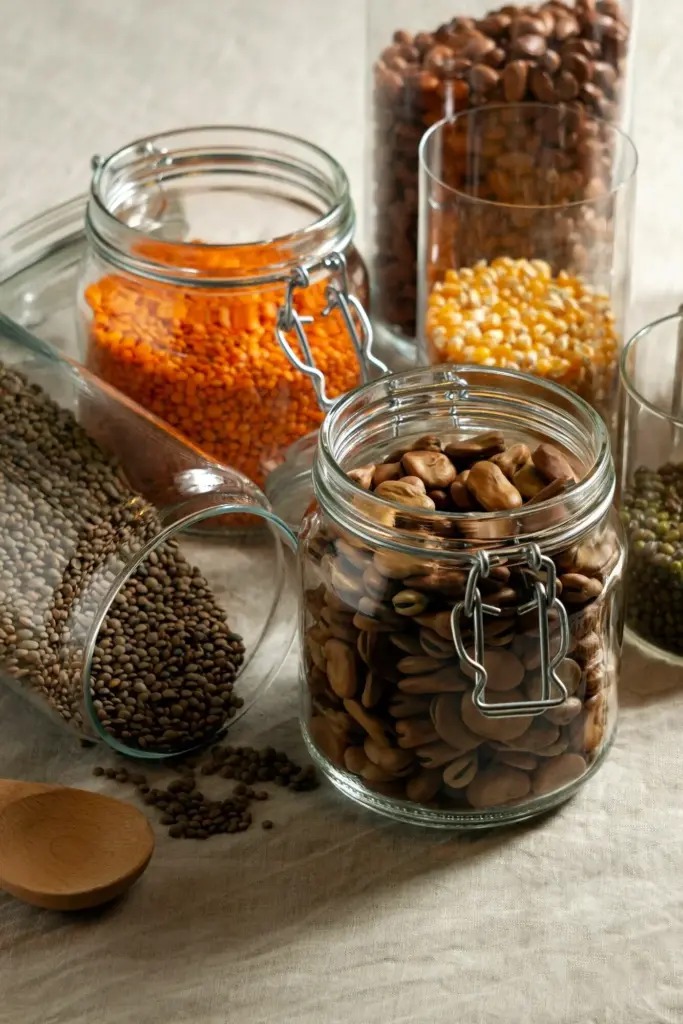
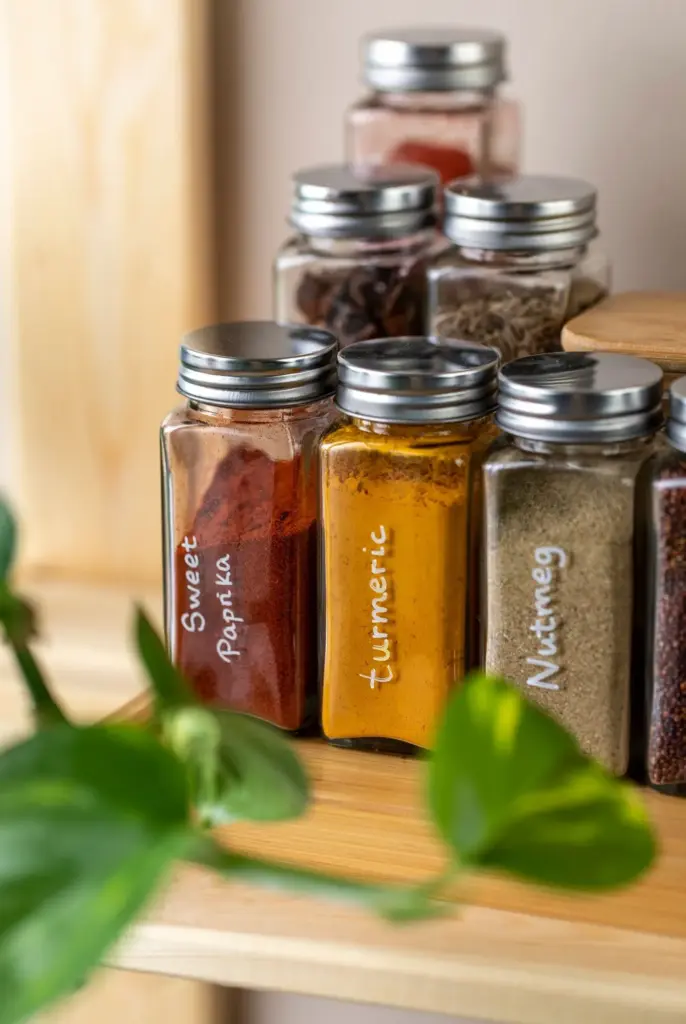
Use narrow jars for spices and small scoops for nuts or seeds so you avoid overfilling. Buy test quantities first, confirm your household actually enjoys the item, then scale up. Waste avoided is money saved, storage spared, and freshness preserved.

Seasonal and Local Wins

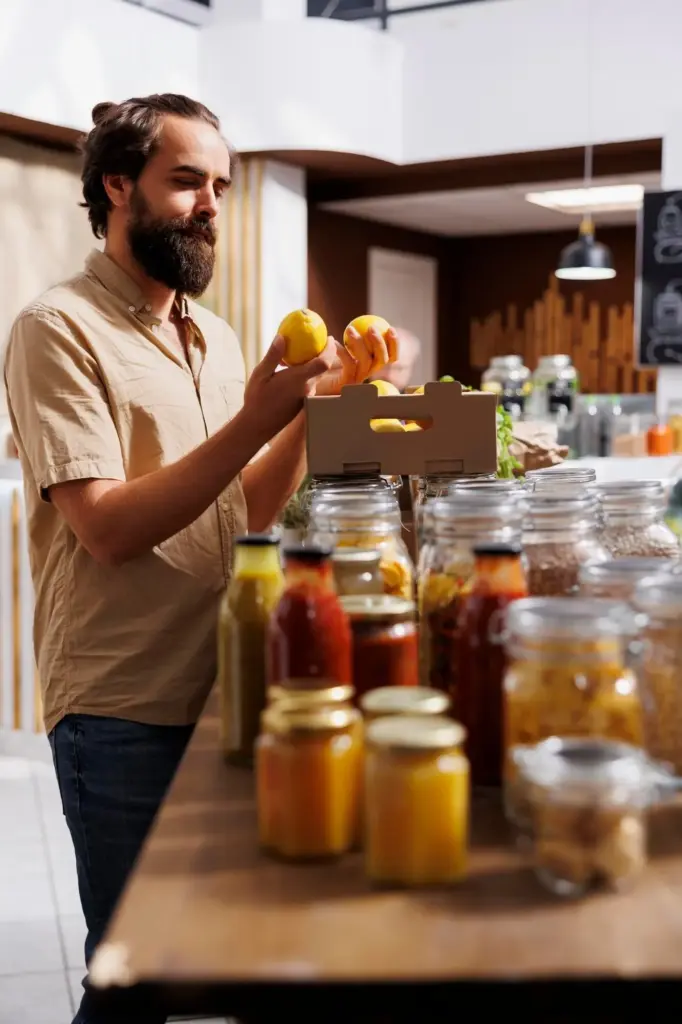
Pick produce that peaks right now, because abundance drives prices down and flavor up. Farmers market seconds make excellent soups and sauces. Ask growers about bulk boxes for canning or freezing, share with a friend, and split costs, packaging, and effort.

Containers That Cut Costs

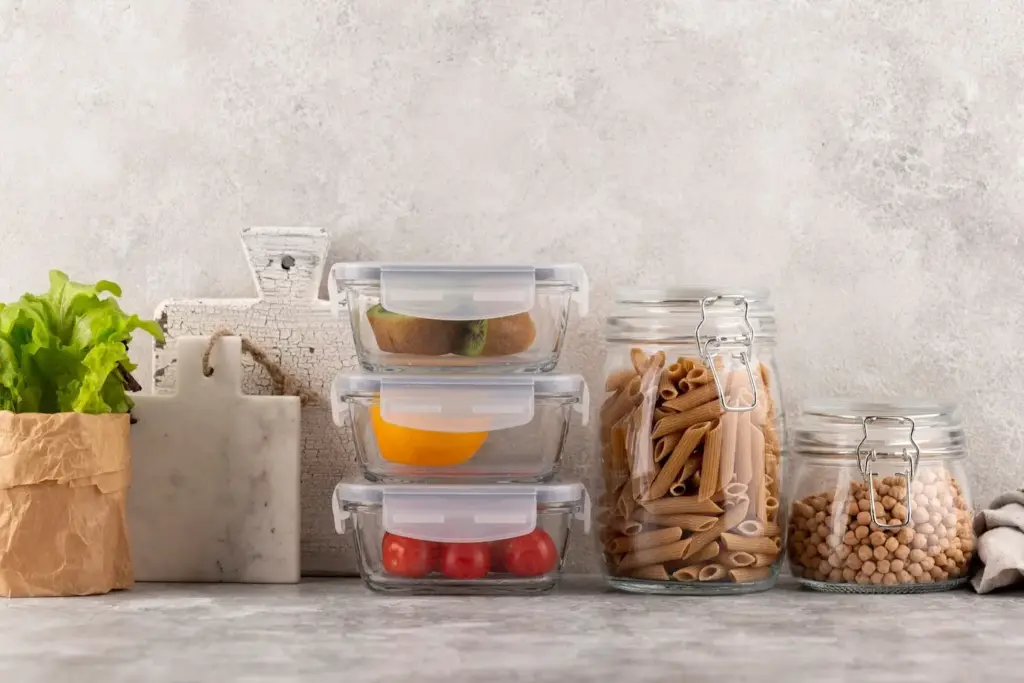
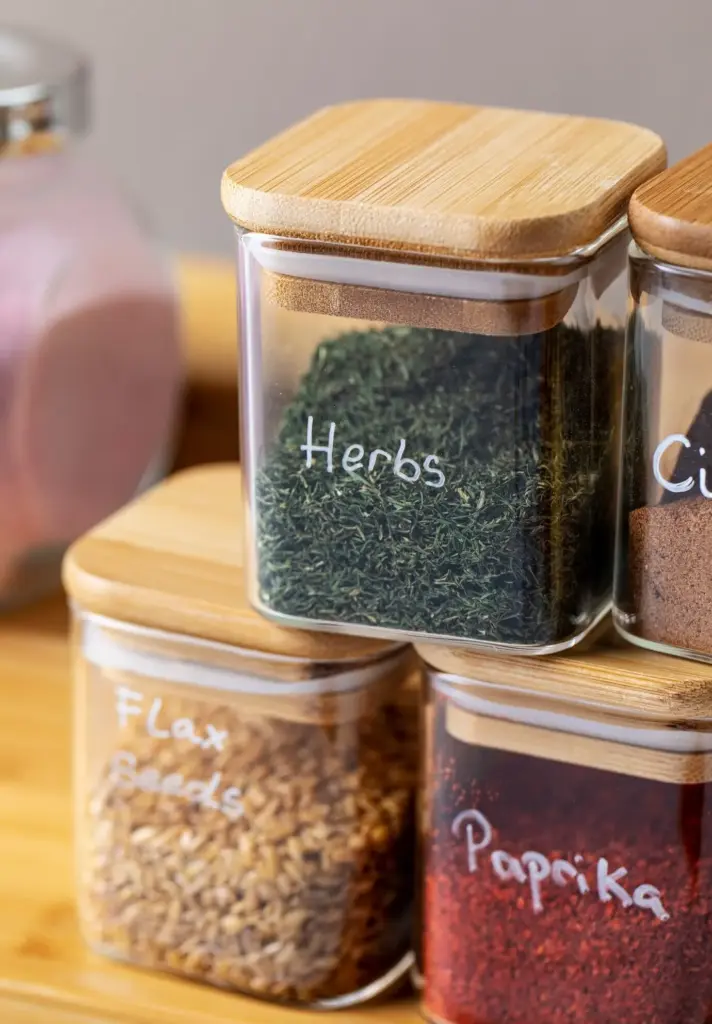
Refill-friendly containers are not just eco props; they are budgeting tools. Glass jars reveal levels, metal tins protect teas and spices, and cloth sacks weigh almost nothing. Label tare clearly, keep lids paired, and pack nesting sizes. Prepared containers make refilling smooth, fast, and respectful to staff and fellow shoppers.

Tare Weight Confidence

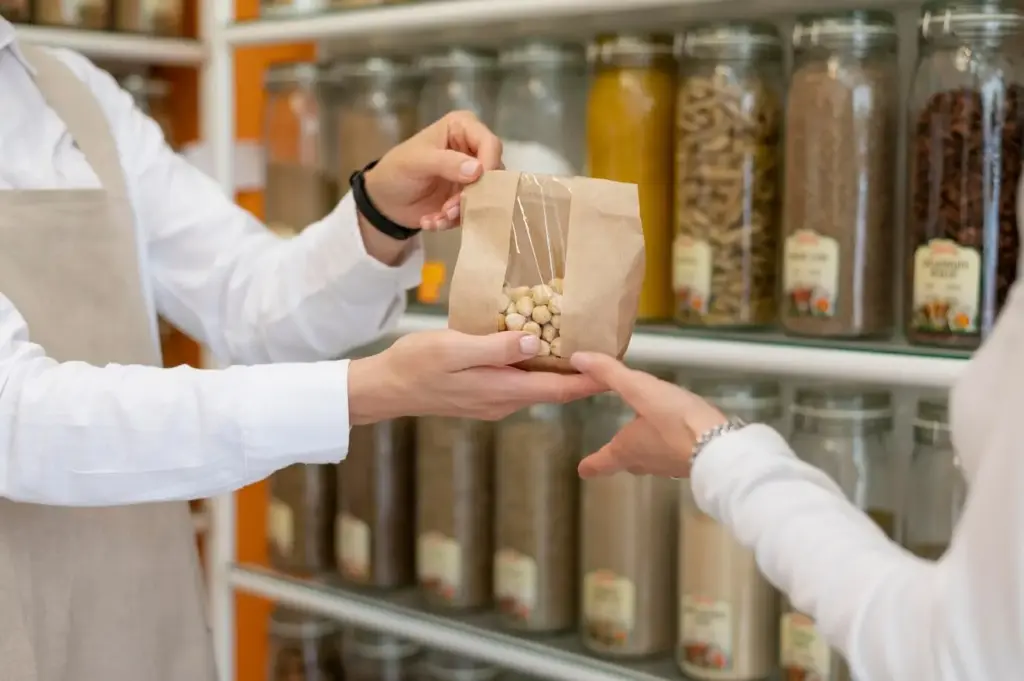
Before shopping, weigh each empty container at home and write the tare on masking tape along with the container’s capacity. At checkout, present it politely. Eliminating the container’s weight prevents overpaying, ensures fairness, and builds trust with your favorite stores.

DIY Reusable Bags

Turn retired pillowcases or cotton shirts into sturdy produce bags using simple stitches or fabric glue. Add a drawstring, note approximate weight, and enjoy washable, long-lived carriers. Repurposing materials keeps money in your pocket and synthetic fibers out of landfills.

Labeling to Prevent Spoilage

After refilling, mark contents, purchase date, and expected use window. Clear labels prevent duplicates, prompt timely cooking, and make family members confident grabbing jars. A five-second note can save an entire pound of nuts or specialty flour from going stale.

Cook Once, Enjoy Many Times

Stretch each grocery dollar by designing meals that cascade into tomorrow’s lunches and freezer reserves. Batch-cook grains, roast trays of vegetables, and portion proteins mindfully. Reusable glass or steel containers protect texture and flavor, while planned leftovers erase midweek stress, curb takeout temptations, and keep packaging waste impressively low.
Cool foods thoroughly, then store in wide-mouth jars or stainless tins, leaving headspace for expansion. Freeze flat portions of sauces in reusable silicone, stacking neatly like books. Label and rotate, preventing freezer fossils and guaranteeing quick, thrifty dinners weeks later.
Use brine, salt, and time to preserve seasonal abundance into tangy sides and probiotic boosts. Cabbage becomes kraut, cucumbers become pickles, and stems transform into crunchy snacks. Minimal ingredients, reusable jars, and patience create flavor fireworks while keeping budgets beautifully intact.

Defeat Disposable Packaging

Every avoided wrapper is a small victory for both budget and planet. Choose produce loose, pick eggs in reusable cartons where permitted, and request deli items in your containers. When packaging is unavoidable, prefer recyclable materials and larger formats that reduce overall waste and unit costs.

Build a Store Relationship

Introduce yourself to staff, explain your container approach, and ask about guidelines. Familiar faces often get quicker tare checks, insider knowledge on delivery days, and heads-up on markdowns. Mutual respect makes reusables welcome and unlocks dependable savings week after week.

Choose Minimalist Packaging When Needed

If true bulk is unavailable, reach for paper, metal, or glass over mixed plastics. Bigger containers of pantry basics often beat multipacks on price and waste. Reuse jars for storage, crafts, or gifts, getting double value from a single purchase.

Refill Stations and Co-ops

Scout neighborhood refilleries, co-ops, and community bulk days. Many let you bring containers for oils, soaps, grains, and spices. Memberships can unlock discounts, while shared values create a friendly environment where frugality and low-waste habits thrive together.

Track, Learn, Repeat

Data turns good intentions into steady progress. Save receipts, capture prices in a simple spreadsheet, and jot notes about successful meals and leftover usage. Weigh compost and trash weekly for a quick reality check, then celebrate wins and adjust friction points without guilt or drama.

Bulk-Buy Buddy System

Team up with a friend to split twenty-pound sacks of grains or cases of tomatoes. Take turns bringing containers, watching for sales, and carrying heavy loads. Shared planning lowers individual spend, minimizes waste, and builds a rhythm that keeps good habits enjoyable.

Swap Staples and Skills

Trade a jar of homemade stock for a handful of garden herbs, or barter sourdough starter for bulk spices. Skill exchanges, like knife sharpening or canning help, create value without cash and keep community pantries lively, diverse, thrifty, and delicious.

Ask, Share, Subscribe

Tell us your biggest grocery challenge, from confusing unit prices to the courage to present containers at checkout. Share your favorite zero-waste wins, subscribe for weekly checklists and seasonal produce guides, and invite a friend who loves saving money and resources.
Vanofivepaxuvi
Privacy Overview

This website uses cookies so that we can provide you with the best user experience possible. Cookie information is stored in your browser and performs functions such as recognising you when you return to our website and helping our team to understand which sections of the website you find most interesting and useful.