
Shop Smarter With Reusables

Today, we dive into reusable container systems and packaging swaps for supermarket trips, transforming an ordinary chore into a purposeful routine that saves money, reduces waste, and inspires others. Expect practical scripts for store interactions, gear checklists that truly last, cleaning routines that satisfy health standards, and budgeting tips that make change feel easy. Bring questions, share your wins, and let’s build confident habits that turn every checkout into a quieter victory for your pantry, your wallet, and our shared world.

Why Reusables Beat Single-Use at the Grocery

Footprint math made simple

Think of impact as an equation balancing repeated use, washing energy, and avoided packaging. A well-sealed container used hundreds of times easily eclipses a pile of flimsy single-use wrappers. Wash with cold or warm water, air-dry when possible, and nest containers to minimize transport space. Track your progress for one month and count the bags, trays, and films not brought home. The numbers become motivation, turning quiet consistency into visible, measurable reduction.

Health and safety myths, debunked

Concerns about hygiene often stem from unclear policies or outdated assumptions. Clean, food-grade containers with intact lids and visible tare labels reassure staff and protect your food. Most stores already handle customer containers for deli, bakery, or bulk; they simply need clear procedures. Use a separate bag for raw proteins, designate color-coded lids for allergen-sensitive foods, and sanitize routinely. When standards are communicated, reusable systems fit cleanly into safe, modern food-handling practices without adding risk or confusion.

Convenience without compromise

Reusable systems can actually speed up shopping when you create a repeatable flow. Keep containers pre-labeled and pre-weighed, set a fixed spot for empty jars in your tote, and carry a slim pen for quick notes. At the counter, hand over your marked container with a smile and a calm script. At home, there’s no unpacking of plastic, no wrestling with clingy films, and no overflowing trash. You get organized shelves, fresher flavors, and a calm, predictable routine.

Building Your Kit: Containers, Bags, and Lids That Last

Match container to purpose to remove friction. Glass jars handle dry goods, sauces, and bulk spices beautifully; stainless steel excels with deli salads, cheeses, and chilled items; silicone pouches suit greens, berries, and freezer-bound portions. Select lids that seal securely and open smoothly at the counter. Keep one lightweight option for impromptu bakery runs. When each material has a job, you stop overthinking, start reaching for the right tool, and build a grocery rhythm that just works every single time.
Nothing earns trust faster than a clean counter and a drip-free handoff. Choose containers with reliable gaskets, test them at home with water, and carry a small towel as backup. For oily salads or olives, add a layer of parchment before sealing. Ask staff to leave a little headspace, and double-check the latch. At home, store the most spill-prone items on the top of your tote. Small habits prevent messes, protect relationships with staff, and keep your bag impeccably tidy.
Smooth checkouts start with clarity. Write tare weights on lids or sides with a fine-tip paint pen, using units your store prefers. Add short labels like “almonds,” “oregano,” or “cheddar” so the cashier sees contents instantly. Keep a compact card noting your common tare weights for speed. When every container is identifiable at a glance, lines move faster, staff feel confident, and you leave with accurate receipts. Simple, neat labeling converts skepticism into routine acceptance and friendly nods.

Bulk Bins, Deli Counters, and Bakeries: How to Ask and Win Smiles
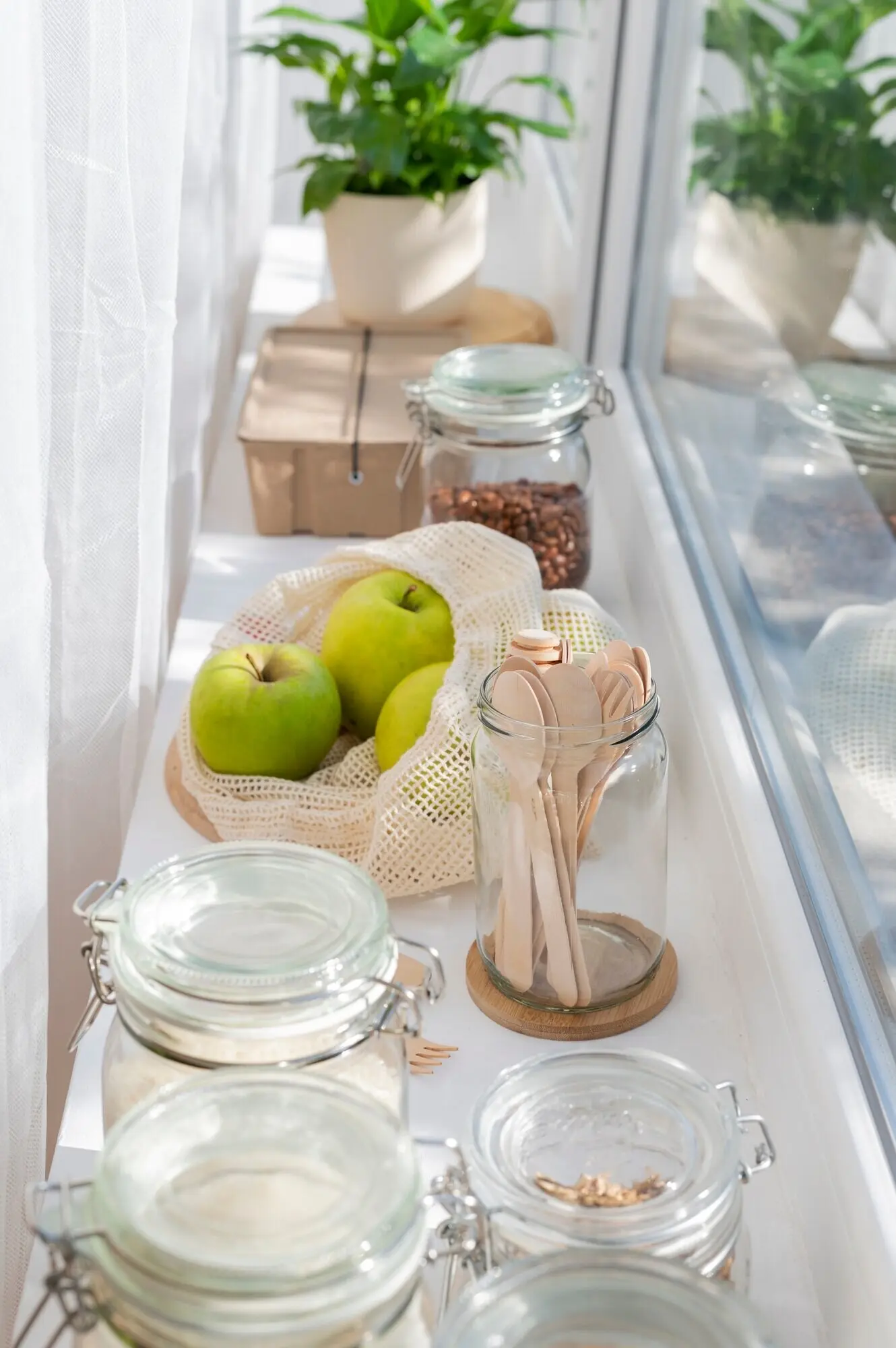
Friendly, consistent scripts build trust. Staff want clean, clearly labeled containers, straightforward requests, and customers who respect their workflow. Arrive at quieter times, present your container open with the lid ready, and say exactly what you need. Acknowledge store policies with patience. When someone helps, thank them and share how much waste this prevents—people appreciate knowing their role matters. Over time, your face becomes a welcome sight, and your reusables become just another normal part of the day.

Scripts for staff interactions

Keep it short and kind: “Hi there! Could you please tare this jar at 420 grams and fill it with the marinated artichokes up to here? Lid’s clean and weight is marked.” If they hesitate, offer an alternative: “I’m happy to place it on the counter so you don’t touch the outside.” Polite precision reduces uncertainty. Smile, thank them by name if possible, and celebrate every successful exchange as a small step toward normalized, waste-free shopping.

Tare weight etiquette and efficiency

Tare before filling whenever possible, and keep a note of weights for repeat use. Present containers open, dry, and free of stickers. If the scale is busy, wait patiently and keep your request crisp. Confirm tare is subtracted and that labels are readable for checkout. When you handle your side of the process flawlessly, staff can focus on their craft. The experience becomes collaborative instead of awkward, making it easier for the next person who brings a jar.

Handling refusals gracefully

Some counters won’t accept outside containers due to policy or capacity, and that’s okay. Ask about pre-wrapped options with minimal plastic or request items placed in paper you can later transfer to your container. Offer to speak with a manager another day about safer workflows. Stay warm, thank them for clarifying, and keep a backup silicone bag or jar in your tote. Graceful responses preserve goodwill and build momentum for change without souring anyone’s shift.

Packaging Swaps Aisle by Aisle

Navigate the store with intentional alternatives. Loose produce goes straight into mesh or silicone; pantry staples into labeled jars; cheeses, meats, and salads into pre-tared containers. Choose beverages in returnable glass or concentrate formats. Prefer bar soap and refill stations over bottled cleaners. Prioritize items with paper, cardboard, or nothing at all. By thinking aisle by aisle, you translate ideals into concrete choices, making each shelf an opportunity to trade a noisy wrapper for a quieter, longer-lasting solution.

Produce and herbs without plastic

Use lightweight mesh bags for apples, citrus, and onions; a silicone pouch for delicate greens and berries; and a damp cloth wrap for fresh herbs that wilt quickly. Skip produce stickers when allowed, weigh once for multiples, and note quantities in your phone. If misting stations wet your bags, shake them off before checkout. Store greens with a tea towel to absorb moisture at home. Flavor stays brighter, the crisper smells fresher, and your trash can breathes a sigh of relief.

Dairy and beverages on repeat

Look for dairies offering refundable glass bottles and return crates, or choose large-format yogurt packed in recyclable tubs you reuse for bulk grains. For beverages, pick concentrates or syrups you dilute at home, or bring growlers to participating shops. Keep a bottle-return schedule on your calendar so deposits come back promptly. These swaps reduce weighty plastic, streamline your fridge, and create a pleasant rhythm where empty bottles flow back out as easily as full ones came in.

Pantry staples with refill routines

Grains, legumes, nuts, and spices are perfect for jars with wide mouths and tight seals. Keep an index of common PLUs on your phone for fast labeling. Refill the oldest jar first, rotate stock, and note low items before you run out. Consider monthly refill days to stabilize your budget. Spices bought in small refill quantities stay more aromatic, and staples stop accumulating dusty duplicates. The pantry becomes a living system rather than a chaotic, crinkly archive.

Cleaning, Storage, and a Sanitary Routine
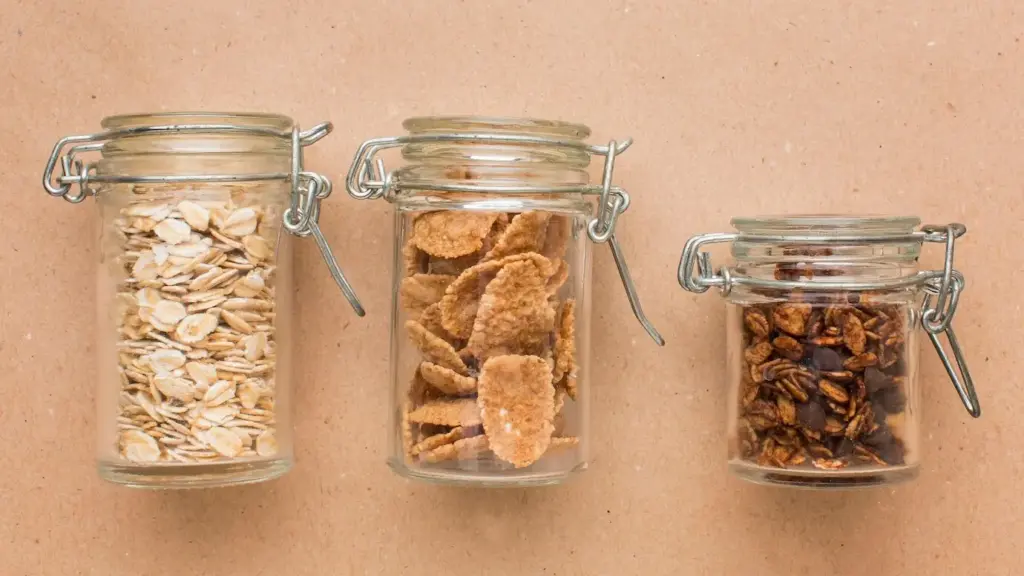
A predictable cleaning flow removes doubt. Rinse promptly after use, wash with warm water and mild soap, and let containers air-dry fully before storage. Periodically sanitize lids and gaskets, and retire any parts that warp or crack. Dedicate colors or labels for raw proteins, allergen-containing foods, and ready-to-eat items. Keep a compact drying rack near your entryway so clean containers move directly into your tote. With visible, repeatable steps, cleanliness stops feeling like a guess and becomes second nature.

Costs, Savings, and the Payback Timeline

Reusables are an upfront investment that pays dividends quickly when matched with bulk buying and reduced impulse packaging. Track spending for eight weeks: list deposits returned, single-use avoided, and pantry items that last longer due to better storage. Even modest swaps compound into monthly savings, while clearer shelves reduce accidental re-buys. The best part is emotional: freedom from overflowing bins and the steady confidence that you own a system built to endure. Share your tallies; community numbers inspire action.
Vanofivepaxuvi
Privacy Overview

This website uses cookies so that we can provide you with the best user experience possible. Cookie information is stored in your browser and performs functions such as recognising you when you return to our website and helping our team to understand which sections of the website you find most interesting and useful.